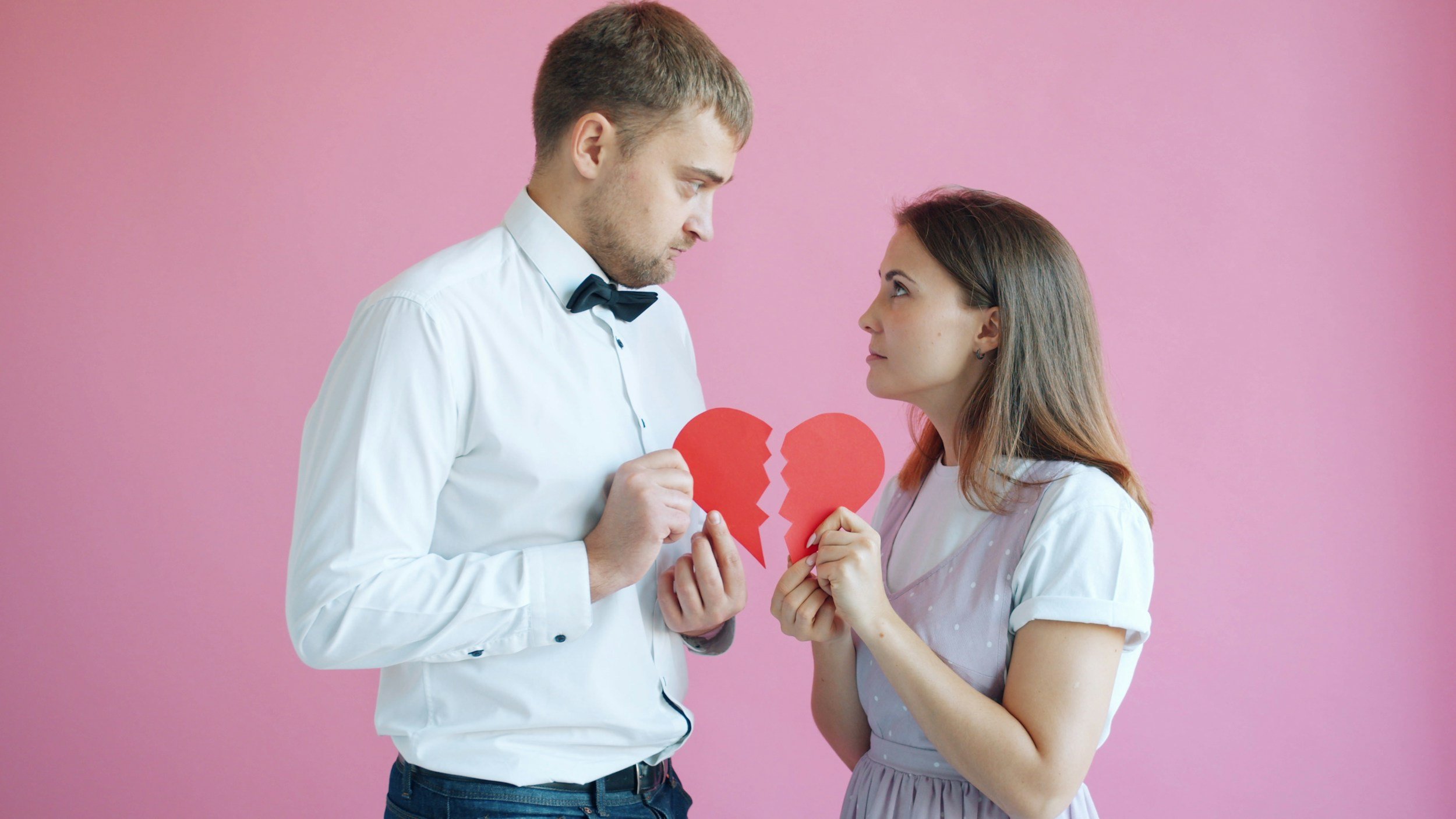
Understanding Big Reactions, Small Reactions, and Emotional Regulation
Have you ever wondered why the same conflict feels overwhelming to one partner and manageable to the other?
One person reacts quickly and intensely.
The other stays quiet, calm, or needs space.
This difference can easily turn into misunderstanding, hurt feelings, and escalating conflict—but it’s not random, and it’s not a character flaw.
Emotional Reactions Are Shaped by the Nervous System
In relationships, emotional reactions are influenced by three key factors:
Emotional sensitivity – how quickly you feel relationship stress
Reactivity – how strongly you respond when stress shows up
Time to return to equilibrium – how long it takes your body and mind to calm down
Everyone has a natural emotional baseline—a regulated state where we can think clearly, communicate effectively, and act intentionally. When conflict arises, we move away from that baseline. How fast and how far we move varies from person to person.
Big Reactions vs. Small Reactions
🔥 Big Reactions
Big reactions tend to show up fast and intensely. They’re often more expressive, emotional, or loud.
Strengths of big reactions:
Clearly communicate feelings
Show how much something matters
Challenges:
Can happen before all the information is fully processed
May feel overwhelming to a partner
Can escalate conflict quickly
Big reactions are not overreacting—they’re often a sign of a highly sensitive or reactive nervous system.
🌱 Small Reactions
Small reactions are quieter, slower, and less intense. They allow more time to think and see the bigger picture.
Strengths of small reactions:
Help prevent impulsive conflict
Support self-regulation
Challenges:
May under-communicate how important something is
Can be misread as indifference or avoidance
Small reactions do not mean someone doesn’t care—they often reflect a nervous system that regulates more quickly or internally.
Neither Style Is Wrong
Problems arise when partners misinterpret each other’s reactions:
Big ≠ overreacting
Small ≠ not caring
Understanding these differences helps couples stop assigning blame and start responding with empathy.
Why Some People Get Upset So Fast (And Why That’s Not a Flaw)
Emotional reactions don’t come out of nowhere.
For some people, a combination of:
High emotional sensitivity
Strong emotional reactivity
Slow return to equilibrium
means they may feel overwhelmed or dysregulated very quickly—sometimes before fully understanding what’s happening in the moment.
At that point, the nervous system is already in survival mode. Reactions aren’t about not caring or being dramatic—they’re about being overwhelmed.
When Emotions Run High, Communication Breaks Down
When emotional arousal is high:
Clear thinking decreases
Long-term perspective drops
Defensiveness increases
In this state, we’re more likely to:
Say things we don’t mean
Miss expressing what we actually feel underneath
React instead of respond
High arousal also fuels negative or judgmental thoughts, which then create even more emotional arousal. This creates a vicious cycle.
Instead of communicating what we truly want—
💛 closeness
💛 understanding
💛 connection
We may express ourselves sharply, bitterly, or defensively. This is called inaccurate expression, and it often leads to hurt feelings and escalating conflict—even when both partners want the same thing.
Time to Emotional Equilibrium Matters
Some people calm down quickly after conflict. Others need more time to return to their emotional baseline.
This difference isn’t avoidance or overreacting—it’s simply how nervous systems regulate differently.
Understanding each partner’s time to equilibrium helps couples decide:
When to pause a conversation
How long a break should be
When and how to re-engage productively
How Counseling Helps
Conflict doesn’t have to feel endless or explosive.
Counseling helps couples:
Recognize emotional arousal early
Slow reactions and regulate emotions
Communicate with clarity instead of defensiveness
Understand each other’s nervous systems and communication styles
✨ Awareness changes everything.
When couples learn why conflict feels the way it does, they stop fighting each other—and start working together.
If you and your partner want to understand your communication styles, regulate emotions more effectively, and reconnect with intention, counseling can help you explore that journey together.